
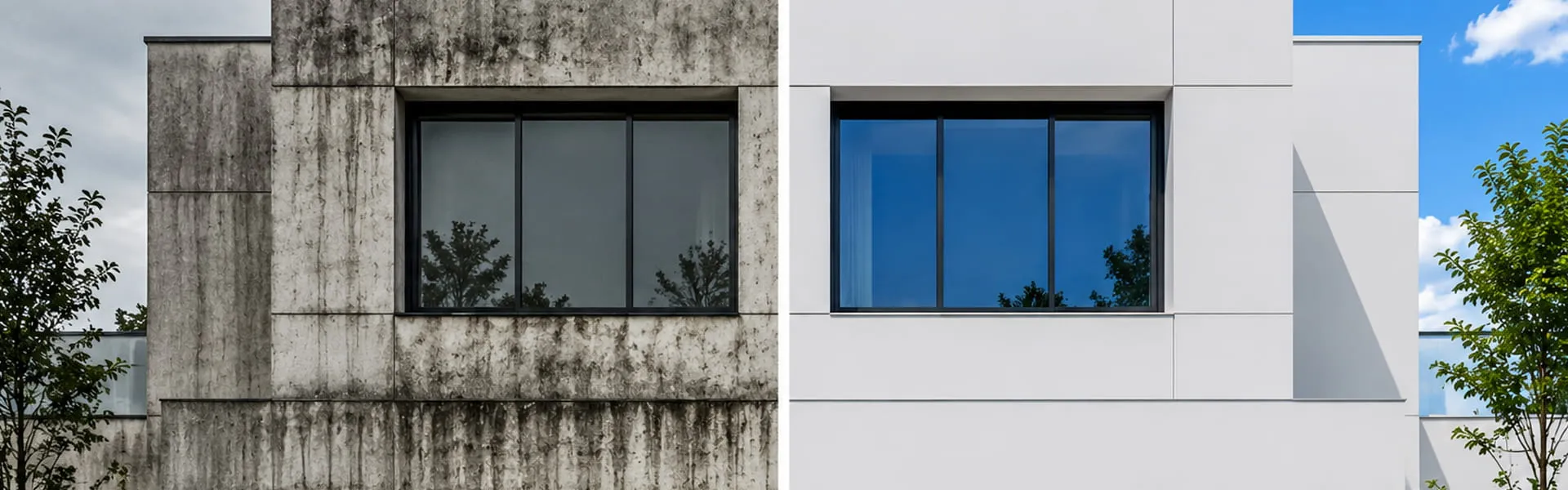
Discover how smart, self-healing paints use nanotechnology to reduce maintenance costs, extend equipment life, and prevent constant touch-ups.
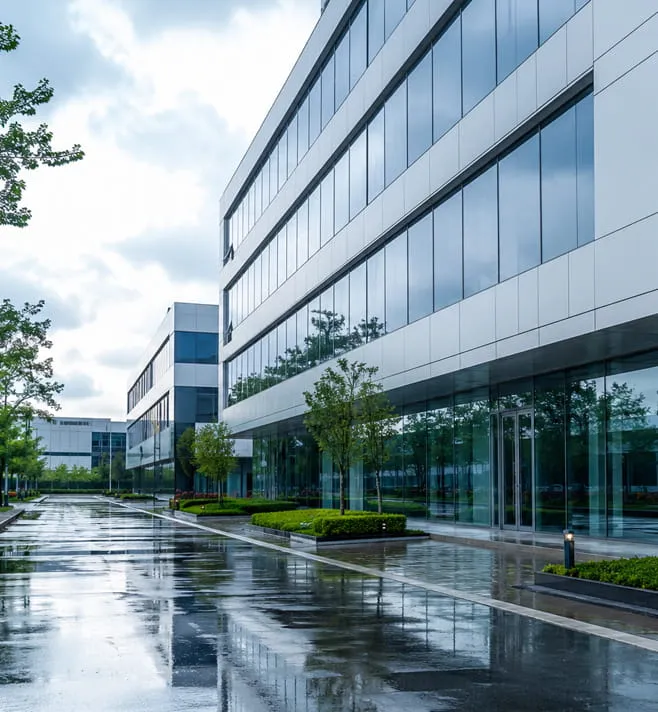
Smart Facade Paints: Technology That Protects, Enhances, and Reduces Maintenance
Smart facade paints represent one of the most significant innovations in the architectural coatings industry. Thanks to nature-inspired technologies, these coatings provide surfaces that remain cleaner for longer, protect buildings against extreme weather conditions, and significantly extend the lifespan of structures.
One of the most remarkable advancements is the development of self-cleaning coatings with the lotus effect, a hydrophobic technology that repels water, dust, and other contaminants from adhering to the surface.
At a time when climate change is causing heavier rainfall, stronger UV radiation, higher levels of air pollution, and more extreme temperature fluctuations, these paints have become an excellent solution for residential, commercial, and industrial buildings.
What Are Smart Facade Paints?
Smart paints are advanced coatings formulated with innovative technologies that respond to environmental conditions while providing benefits far beyond aesthetics.
Their main features include:
- Self-cleaning properties.
- Water repellency.
- UV protection.
- Enhanced weather resistance.
- Reduced dirt accumulation.
- Moisture protection.
- Long-lasting color stability.
These characteristics help buildings maintain their original appearance for many years.
What Is the Lotus Effect?
The lotus effect is inspired by lotus leaves, which remain remarkably clean even when growing in muddy environments.
Their secret lies in a microscopic hydrophobic surface that causes water to form nearly perfect spherical droplets.
As these droplets roll across the surface, they carry away:
- Dust.
- Soot.
- Pollution.
- Pollen.
- Airborne particles.
- Microorganisms.
The result is a facade that stays cleaner with minimal maintenance.
How Do Hydrophobic Coatings Work?
Hydrophobic coatings modify the surface tension of the material.
With conventional paint:
- Water wets the surface.
- Stains develop.
- Dirt sticks easily.
With smart paint:
- Water cannot penetrate.
- Droplets form.
- Water rolls away.
- Dirt is carried off the surface.
This mechanism significantly reduces contaminant buildup.
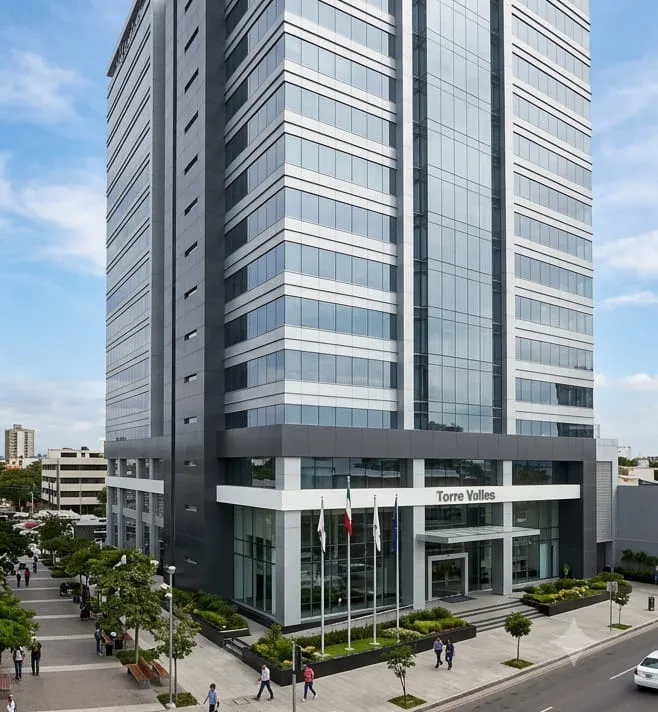
Benefits of Self-Cleaning Paints
Reduced Maintenance
One of the greatest advantages is the reduction in facade cleaning frequency.
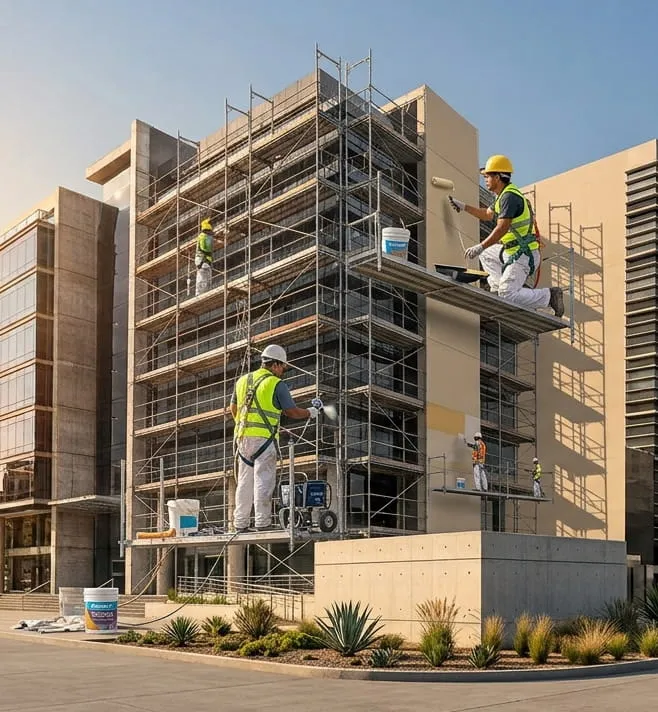
For tall buildings, this translates into significant savings because it reduces the need for:
- Scaffolding.
- Lifting platforms.
- Water consumption.
- Cleaning chemicals.
- Specialized labor.
Longer-Lasting Color
Pigments remain protected thanks to reduced dirt accumulation.
This helps preserve:
- Bright whites.
- Vibrant colors.
- Uniform finishes.
Protection Against Climate Change
Climate change has intensified environmental conditions through:
- Increased solar radiation.
- Heavy rainfall.
- Hailstorms.
- Sudden temperature changes.
- Higher levels of urban pollution.
Smart paints are designed to withstand these challenges while maintaining their performance.
Reduced Mold and Mildew Growth
Because moisture does not remain on the surface, the risk of developing:
- Mold.
- Mildew.
- Algae.
- Moss.
is significantly reduced, making these coatings ideal for humid climates.
Technologies Used
Smart paints often combine several advanced technologies.
Nanotechnology
Nanoparticles create extremely uniform surfaces.
Benefits include:
- Greater water repellency.
- Improved durability.
- Enhanced wear resistance.
Silicone Resins
Silicone-based resins provide outstanding hydrophobic performance.
They also offer:
- Breathability.
- Flexibility.
UV resistance.
Resistance to UV Radiation
One of the biggest threats to any facade is ultraviolet radiation.
Smart paints help prevent:
- Color fading.
- Cracking.
- Loss of gloss.
- Premature coating failure.
As a result, maintenance cycles become much longer.
Protection Against Urban Pollution
Major cities experience high concentrations of:
- Soot.
- PM10 particles.
- Industrial pollutants.
- Dust.
- Vehicle emissions.
Hydrophobic coatings make it much harder for these contaminants to stick to building surfaces.
As a result, facades remain cleaner for longer periods.
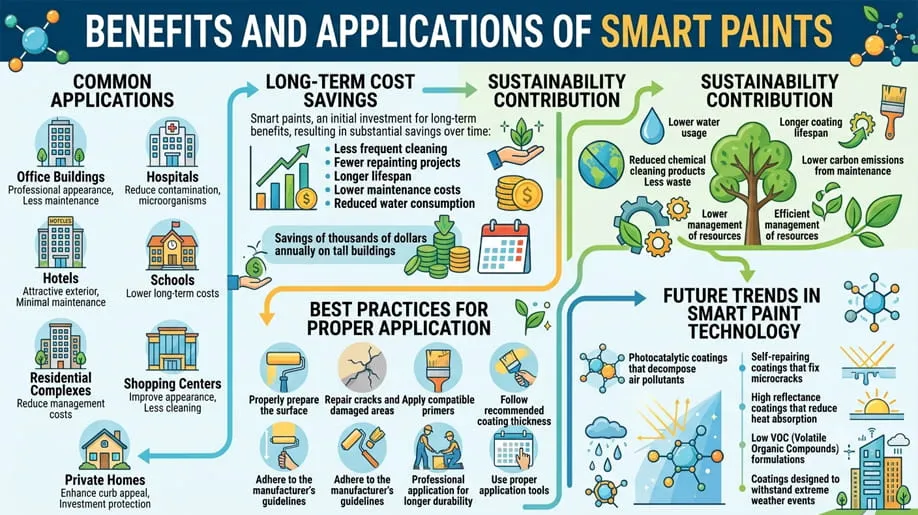
Frequently Asked Questions About Smart Paints
1.- Do self-cleaning paints remove all dirt?
Not entirely. They significantly reduce the adhesion of dust, pollution, and debris, but heavily contaminated environments may still require occasional cleaning.
2.- Do they work in all climates?
Yes. They are designed to perform well in hot, cold, humid, and dry climates, provided the correct coating system is selected for the specific environment.
3.- Are they more expensive than conventional paint?
Generally, yes. However, their longer lifespan and reduced maintenance requirements often offset the higher initial investment.
4.- Can they be applied to existing buildings?
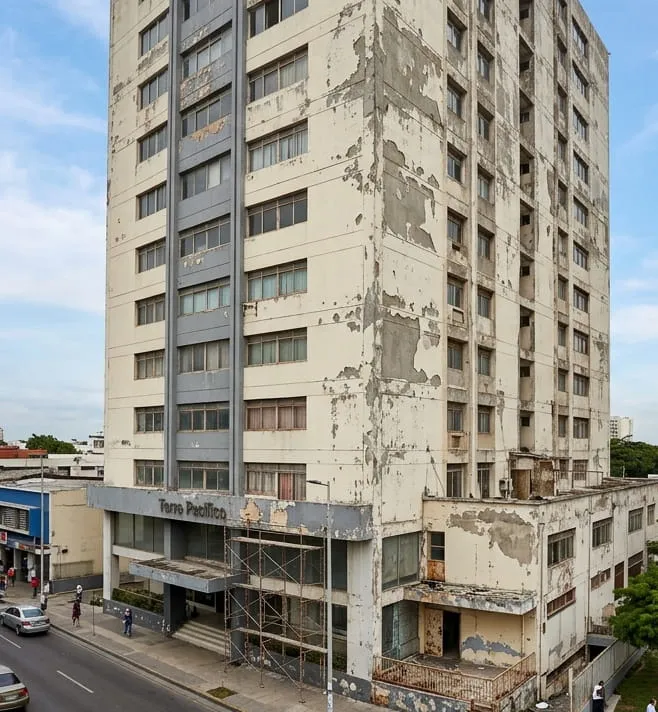
Yes. In most cases, they can be used in renovation projects as long as the existing surface is properly prepared and compatible with the new coating system.
5.- How long do smart coatings last?
Depending on product quality, environmental conditions, and proper application, these coatings can maintain excellent performance for many years before requiring maintenance.
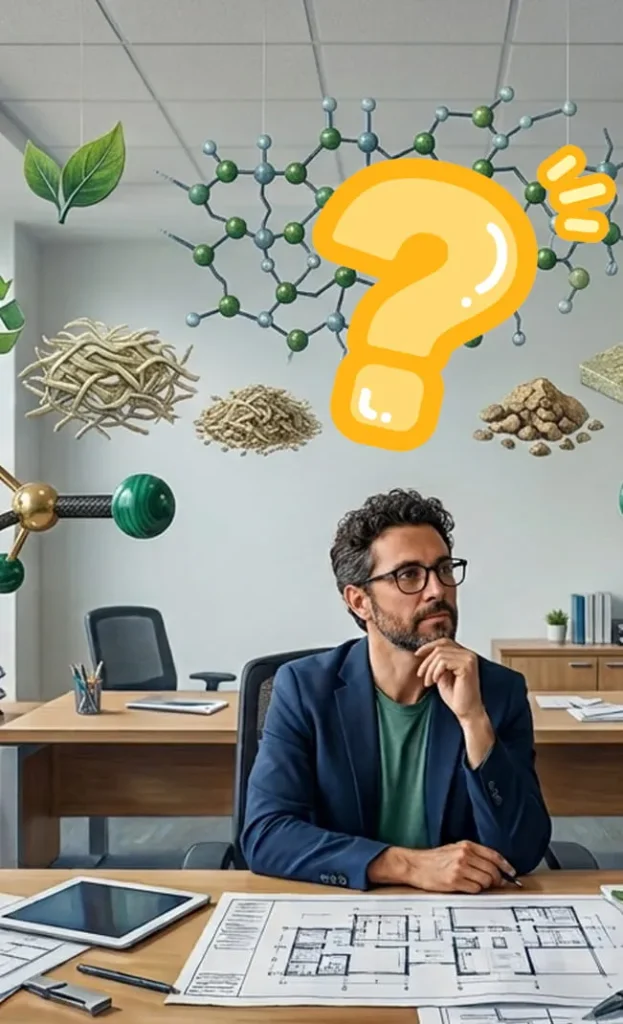
Smart facade paints represent a major advancement in modern building protection.
Thanks to lotus-effect architectural coatings, building surfaces become hydrophobic, repelling water and dirt while maintaining a cleaner appearance for longer periods and significantly reducing maintenance costs.
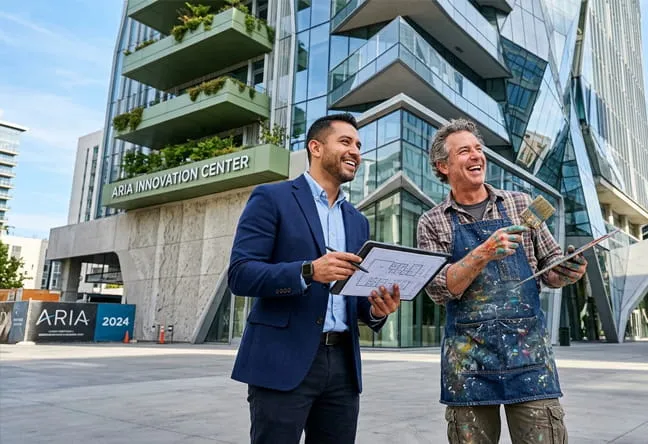
Conclusion
Beyond improving aesthetics, these innovative coatings provide superior resistance against climate change, UV radiation, moisture, and urban pollution.
For property owners, facility managers, architects, and developers, investing in smart coating technology means protecting the value of their buildings, optimizing maintenance budgets, and contributing to more durable, efficient, and sustainable construction.