
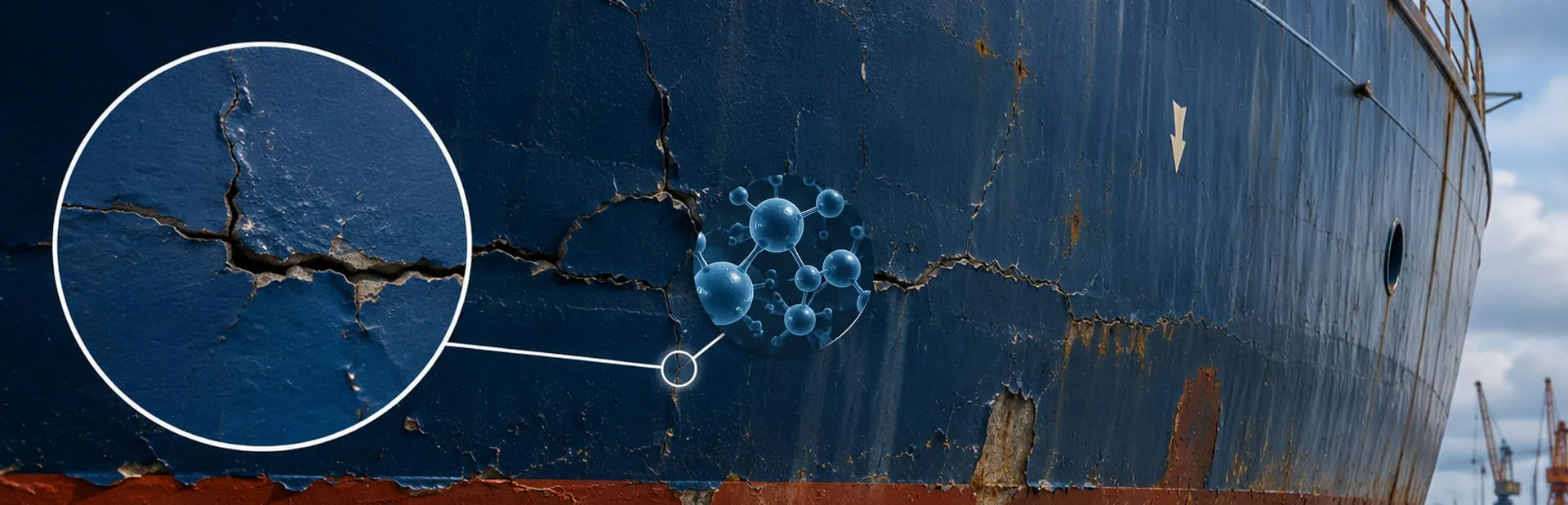
Discover how smart, self-healing paints use nanotechnology to reduce maintenance costs, extend equipment life, and prevent constant touch-ups.
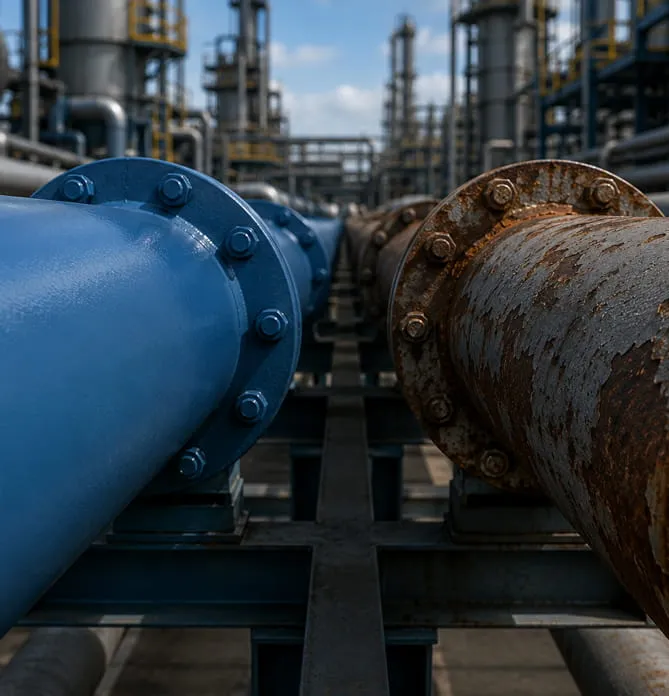
For decades, industries have invested enormous amounts of resources in maintaining structures, machinery, pipelines, vehicles, and equipment exposed to extreme conditions. The appearance of microscopic cracks, surface wear, and corrosion has been a recurring issue, requiring frequent inspections, continuous repairs, and costly repainting projects.
However, innovation in materials has led to a new generation of coatings known as smart paints or self-healing paints, capable of detecting microscopic damage and activating mechanisms that partially restore their structure without human intervention.
Thanks to advances in nanotechnology, these solutions promise to significantly reduce maintenance costs, increase surface durability, and completely transform the way industries protect their assets.
What Are Smart or Self-Healing Paints?
Self-healing paints are advanced coatings designed to recover certain protective properties after experiencing minor damage, such as:
- Microcracks
- Surface scratches
- Small fractures
- Premature wear
- Damage caused by environmental changes
Unlike conventional paints, these materials incorporate intelligent components that automatically react when alterations in their structure are detected.
The result is a surface capable of “healing” itself before damage develops into a larger problem.

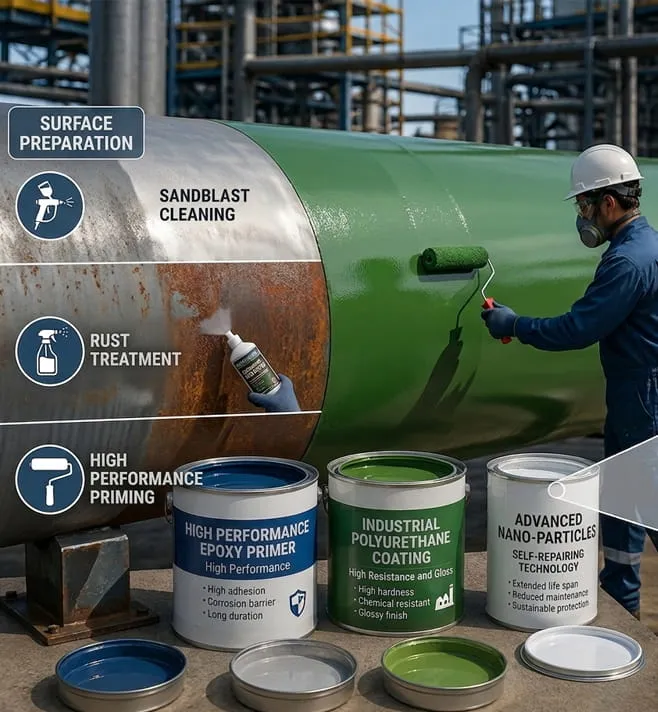
How Does Nanotechnology Work in Smart Paints?
Nanotechnology operates at extremely small scales, measured in nanometers, allowing scientists to modify material compositions and provide unique properties.
In the case of smart paints, researchers incorporate elements capable of responding to external stimuli such as:
- Temperature
- Humidity
- UV radiation
- Mechanical pressure
- Oxygen
- Chemical changes
When a microfracture occurs, these components activate repair mechanisms that restore the protective barrier of the coating.
Most Common Self-Healing Systems
1.- Microcapsule-Based Repair Systems
This is one of the most widely used approaches.
The paint contains millions of invisible microcapsules distributed throughout the coating.
When a crack appears:
- The crack ruptures the microcapsules.
- A liquid healing agent is released.
- The material fills the damaged area.
- The compound hardens.
- The surface regains its integrity.
This process occurs automatically without external intervention.
2.- Temperature-Responsive Polymers
Some coatings contain special polymers capable of reorganizing their molecular structure.
When temperature rises:
- Polymer chains become more flexible.
- The material flows into cracks.
- Surface continuity is restored.
Once cooled, the material hardens again.
3.- Moisture-Activated Systems
Certain coatings react to environmental moisture.
When water penetrates a microcrack:
- A chemical reaction is triggered.
- The material expands.
- The opening is sealed.
- Corrosion progression is prevented.
This mechanism is especially useful in marine environments and outdoor structures.
4.- Smart Nanoparticles
Nanoparticles can alter their behavior depending on environmental conditions.
Some function as:
- Anti-corrosion barriers
- Sealing agents
- Structural reinforcements
- Repair catalysts
Thanks to their extremely small size, they can be evenly distributed throughout the paint layer.
The Future of Smart Paints
Research in advanced materials points toward a new generation of coatings capable of:
- Detecting corrosion before it appears
- Monitoring structural conditions in real time
- Changing properties based on environmental conditions
- Self-healing multiple times
- Integrating with AI-driven predictive maintenance systems
In the coming years, these technologies could become a standard solution for industrial protection.
Limitations for Severe Damage
These solutions are primarily designed for:
- Microcracks
- Light scratches
- Surface damage
Major fractures still require human intervention.
Smart and self-healing paints represent one of the most promising advances in industrial coatings.
Through nanotechnology, these materials can detect and repair microdamage caused by temperature changes, humidity, or everyday wear, significantly extending the lifespan of protected surfaces.
Frequently Asked Questions About Smart Paints
1.- What are smart paints?
They are advanced coatings capable of automatically repairing small cracks and surface damage.
2.- How do they work?
They use nanoparticles, microcapsules, or smart polymers that react to damage, moisture, or temperature changes.
3.- What benefits do they offer?
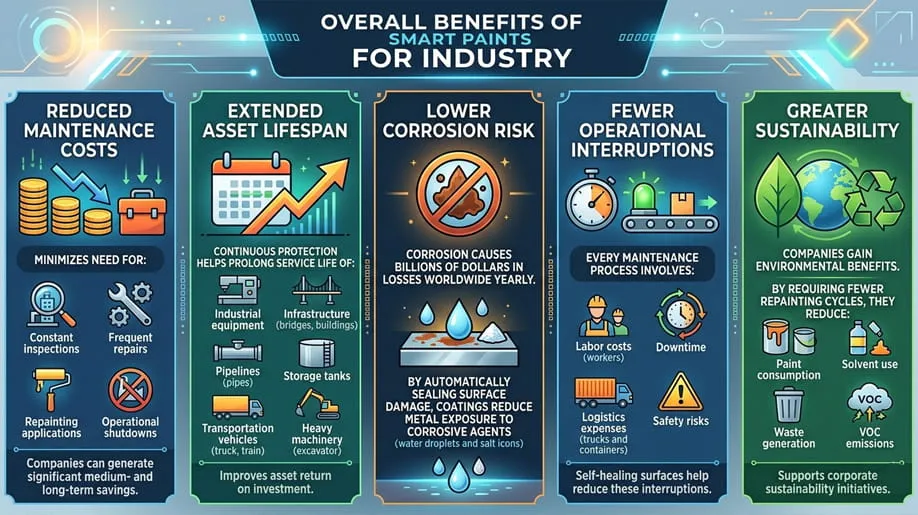
They reduce maintenance costs, increase durability, and provide better corrosion protection.
4.- Can they repair any type of damage?
No. They are designed to fix microcracks and minor surface damage, not major structural defects.
5.- Where are they used?
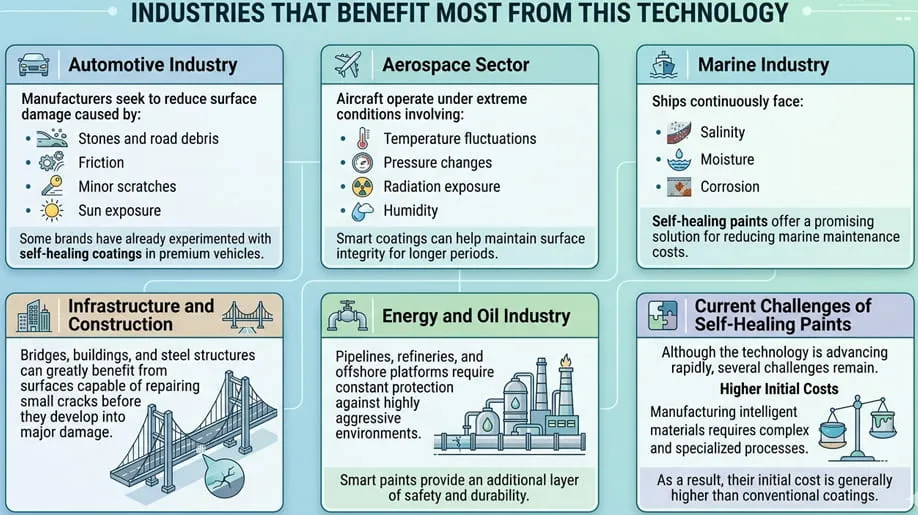
They are commonly used in the marine, automotive, energy, petrochemical, and infrastructure industries.
6.- Are they a sustainable solution?
Yes. They reduce paint consumption, waste generation, and the need for frequent repainting.


Conclusion
Although they are still in the early stages of widespread adoption, their potential to reduce maintenance costs, minimize downtime, and improve sustainability makes them a strategic solution for industries seeking greater operational efficiency.
In a future increasingly driven by automation and intelligent materials, self-healing paints could bring a definitive end to constant touch-ups and usher in a new era of industrial protection.